When Does Roof Flashing Need to Be Replaced?
The Warning Signs of Damaged Roof Flashing
Your roof is designed to protect your home from the elements—but it’s only as strong as its weakest points. One of the most critical (and often overlooked) components of your roofing system is flashing. When flashing fails, water can seep into vulnerable areas and cause costly damage.
So, when does roof flashing need to be replaced? Let’s break down the warning signs, causes of damage, and why timely roof flashing replacement is essential for protecting your home.
What Is Roof Flashing?
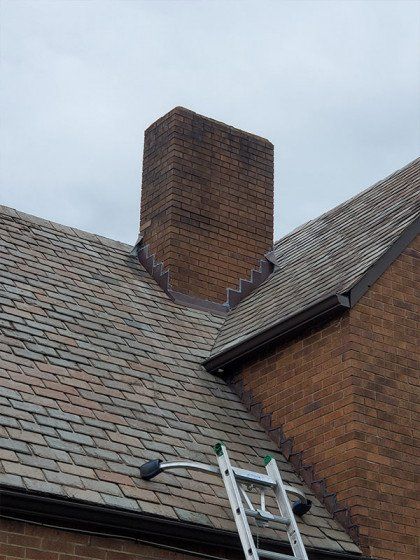
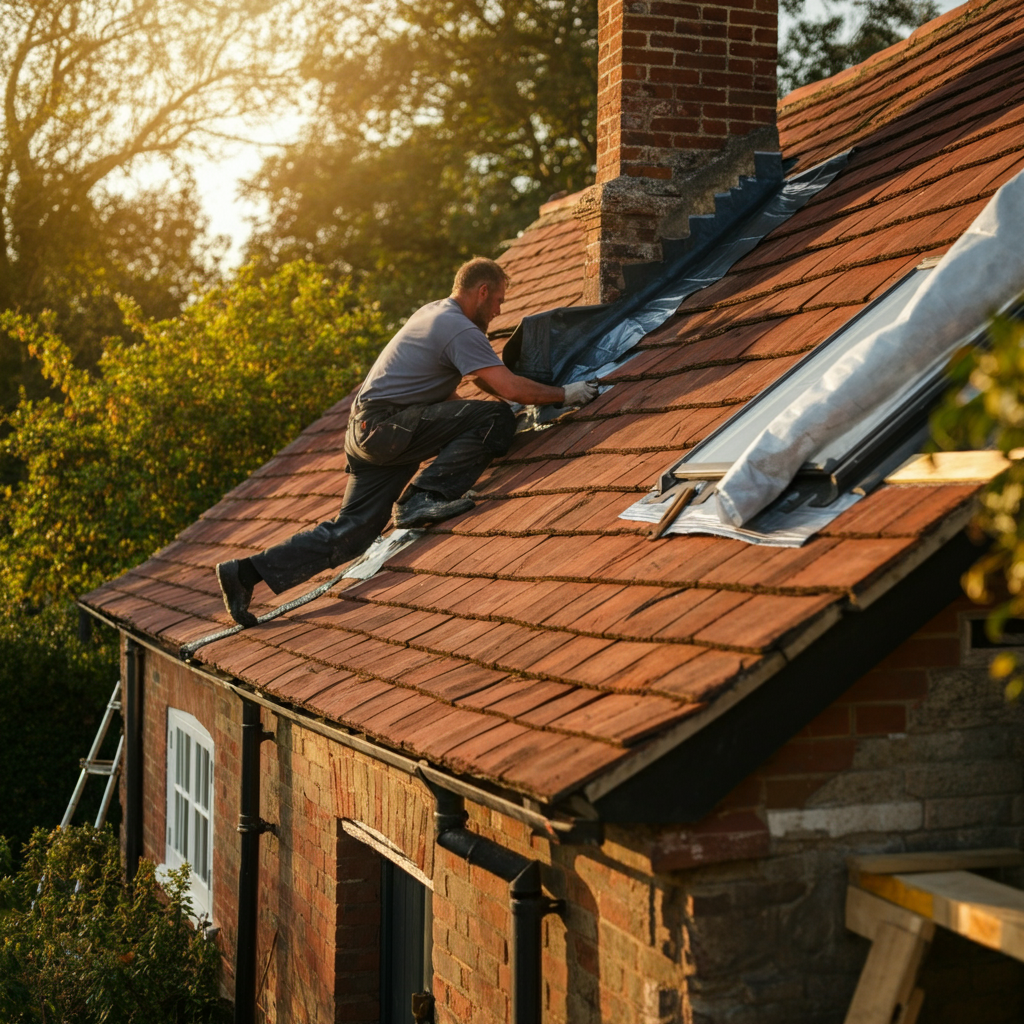
Roof flashing is a thin material—typically made of galvanized steel, aluminum, or copper—installed around roof features and joints to direct water away from critical areas. You’ll commonly find flashing around:
- Chimneys
- Skylights
- Roof valleys
- Vents and pipes
- Dormers
- Roof-to-wall intersections
Its job is simple but crucial: prevent water from entering areas where shingles alone can’t provide full protection.
Signs Your Roof Flashing Needs to Be Replaced
Flashing doesn’t last forever. Over time, exposure to sun, wind, rain, and temperature fluctuations can cause it to deteriorate. Here are the key signs that it may be time for a roof flashing replacement.
1. Rust or Corrosion
If you notice rust forming on metal flashing, it’s a clear sign of deterioration. Corrosion can create holes and weaken the material, making roof flashing replacement necessary to prevent leaks.
2. Cracks, Gaps, or Loose Sections
Flashing that is cracked, lifting, or pulling away from the roof can no longer properly direct water. Even small gaps can allow moisture to seep underneath your roofing system.
3. Interior Water Stains or Active Leaks
Water stains on ceilings or walls near chimneys, skylights, or vents often point to failing flashing. If leaks continue despite shingle repairs, damaged flashing may be the root cause.
4. Roof Age
If your roof is 20+ years old and nearing the end of its lifespan, the flashing may also be deteriorating. In many cases, roof flashing replacement is done at the same time as a full roof replacement to ensure long-term performance.
Can Flashing Be Repaired Instead of Replaced?
In some cases, minor issues like small gaps or loose sections can be repaired. Resealing joints or securing loose flashing may temporarily resolve leaks.
However, if the flashing is significantly corroded, cracked, or structurally compromised, replacement is the safer and more cost-effective solution. Ignoring failing flashing can lead to:
- Mold growth
- Rotting roof decking
- Damaged insulation
- Structural issues
- Expensive interior repairs
A professional inspection can determine whether repair or full roof flashing replacement is necessary.
How Long Does Roof Flashing Last?
The lifespan of flashing depends on the material:
- Galvanized steel: 15–20 years
- Aluminum: 20+ years
- Copper: 50+ years
Installation quality and climate also play major roles. Poor installation can dramatically shorten the lifespan.
Why Timely Roof Flashing Replacement Matters
Flashing may not be as visible as shingles, but it plays a vital role in protecting your home. When it fails, water infiltration often begins slowly and worsens over time. Addressing issues early helps you:
- Prevent costly water damage
- Extend the life of your roof
- Protect your home’s structure
- Maintain property value
Delaying necessary roof flashing replacement can turn a minor fix into a major repair project.
Reach out to book a roof inspection today
Roof flashing may be a small component, but it plays a critical role in protecting your home. If you notice rust, cracks, leaks, or loose sections, don’t ignore the warning signs. Routine inspections and timely roof flashing replacement can help you avoid costly repairs down the road.
If you’re unsure about the condition of your flashing, contact Young Slate Roofing to schedule a professional inspection. We proudly serve homeowners in and around Blackridge, PA. Addressing issues early is the best way to safeguard your home—and your investment.